
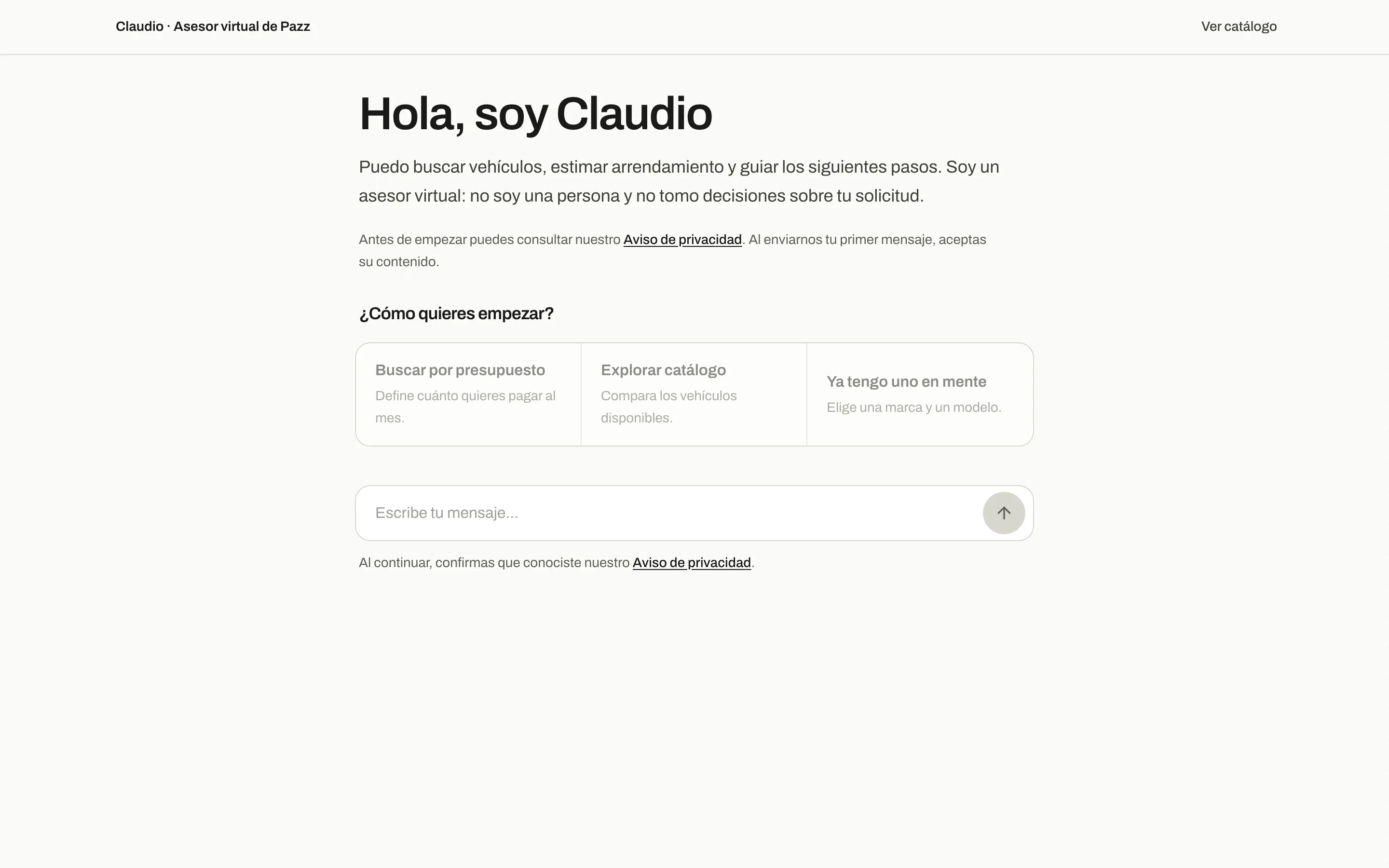
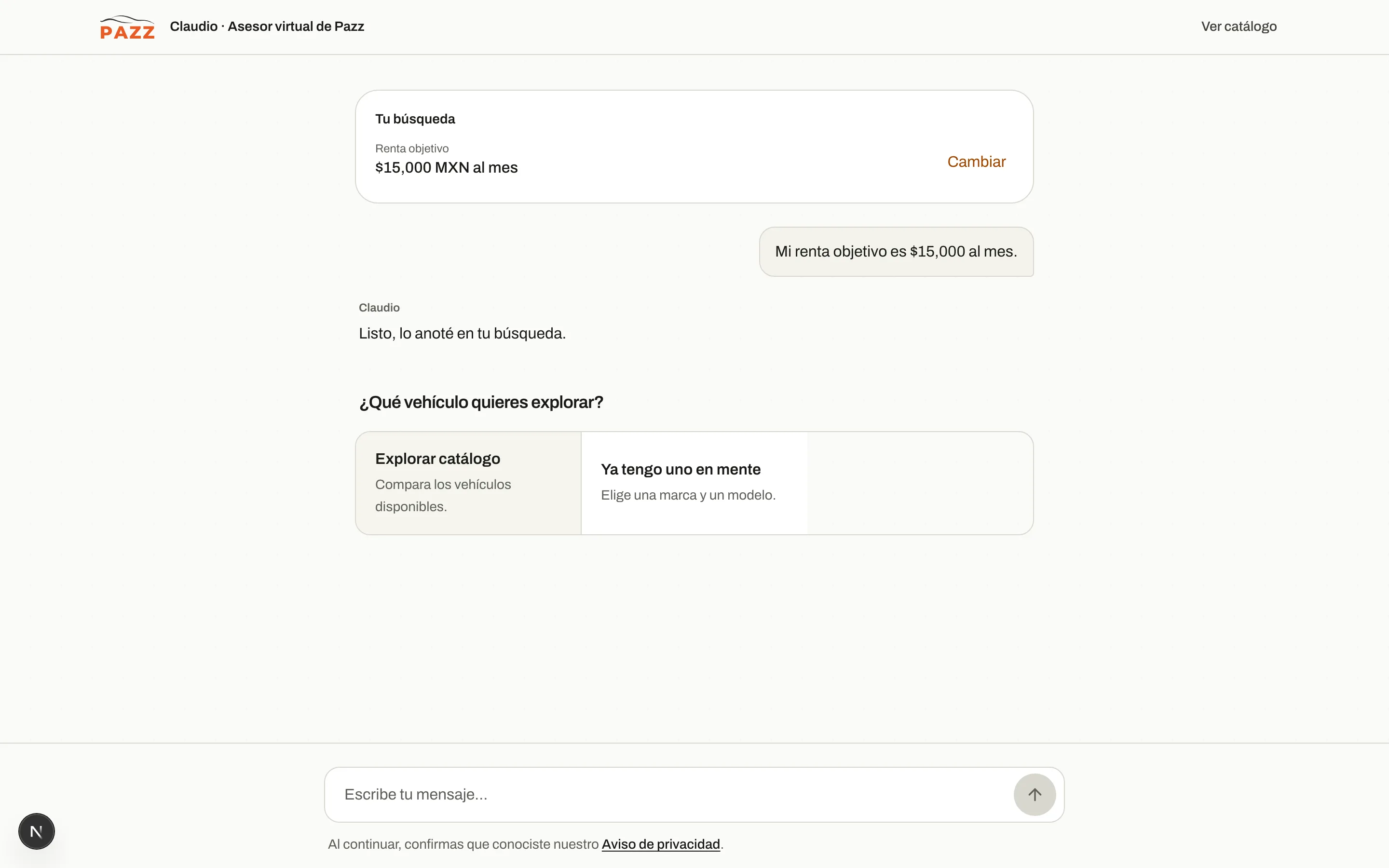
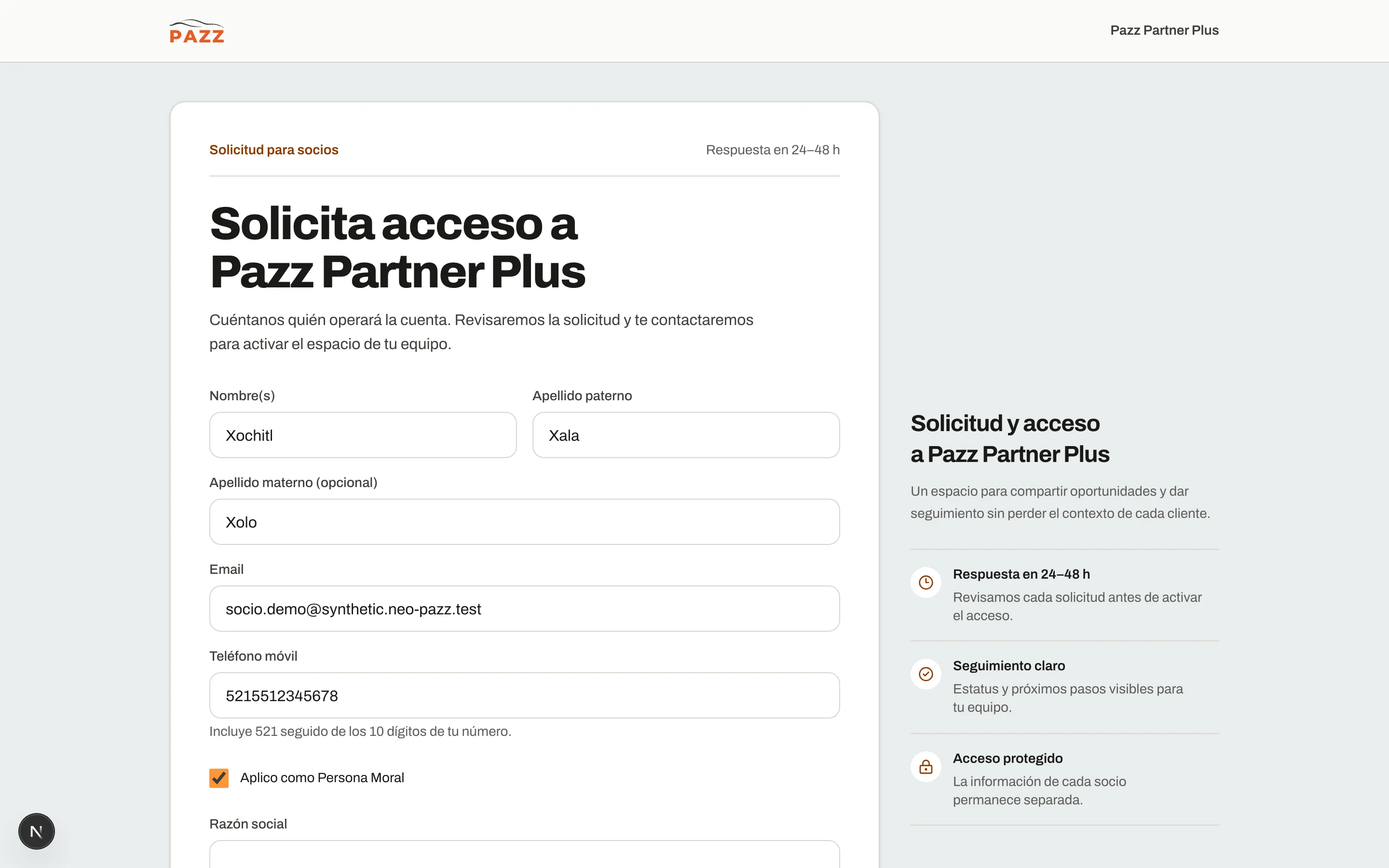
One goal, many systems
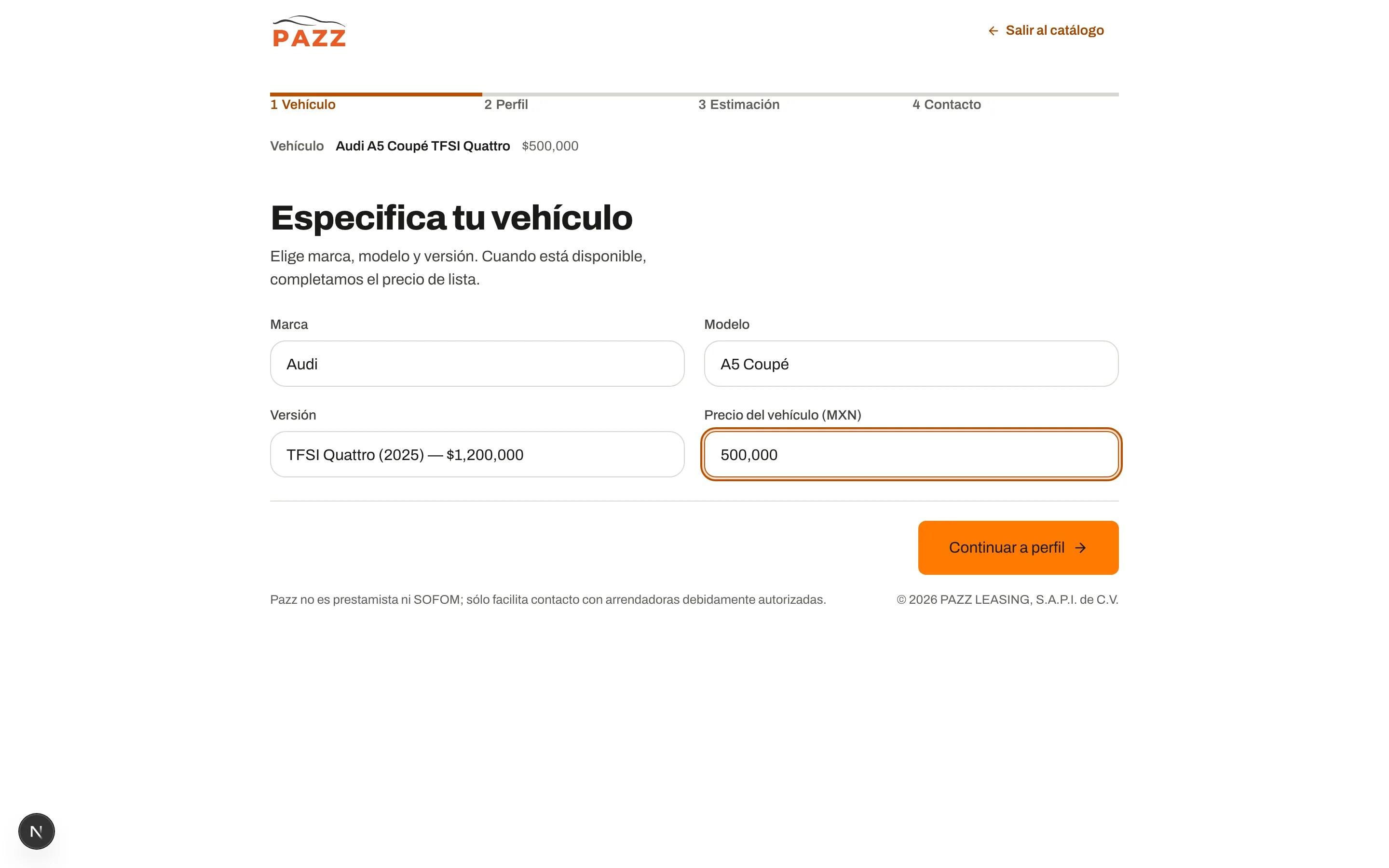
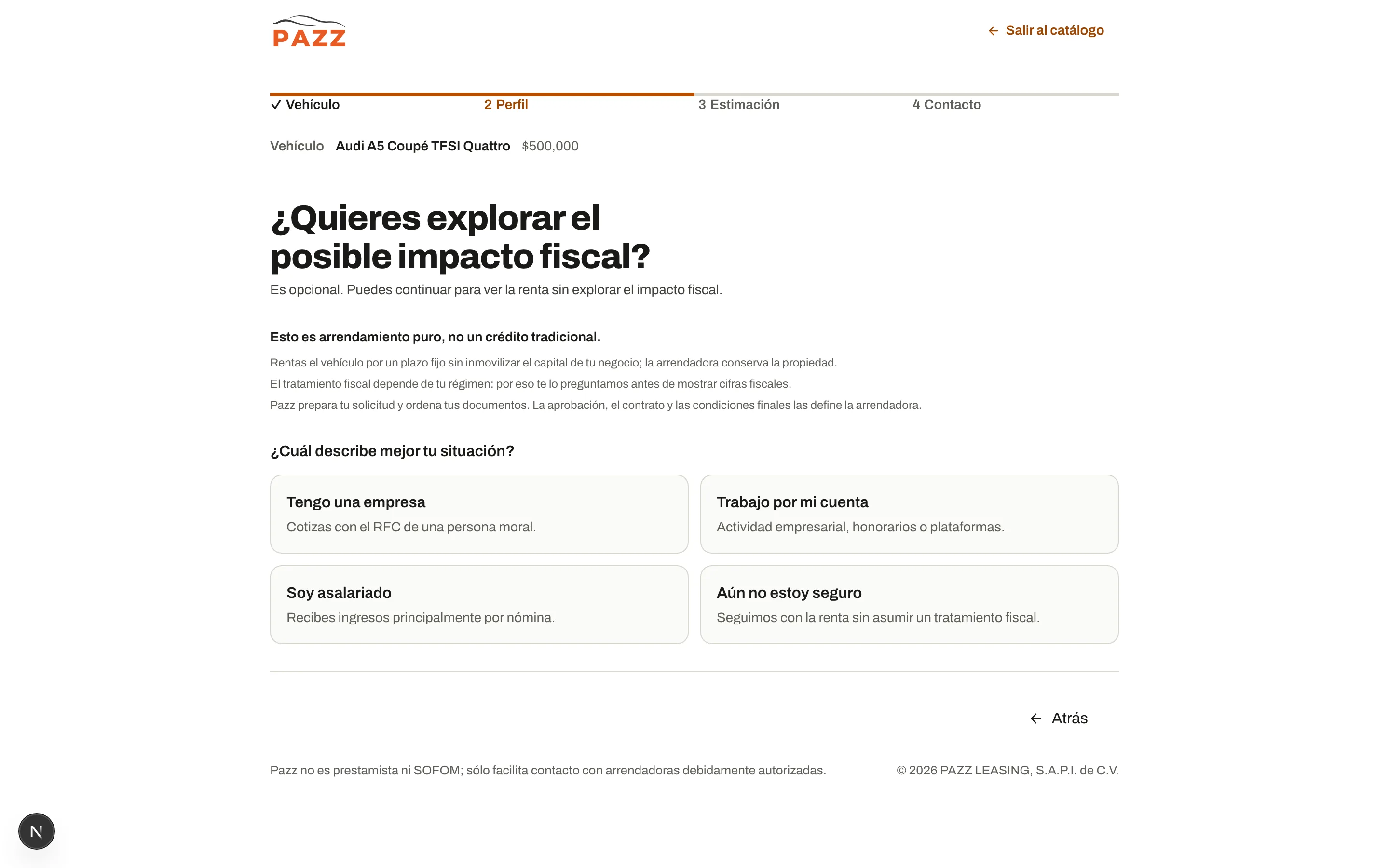
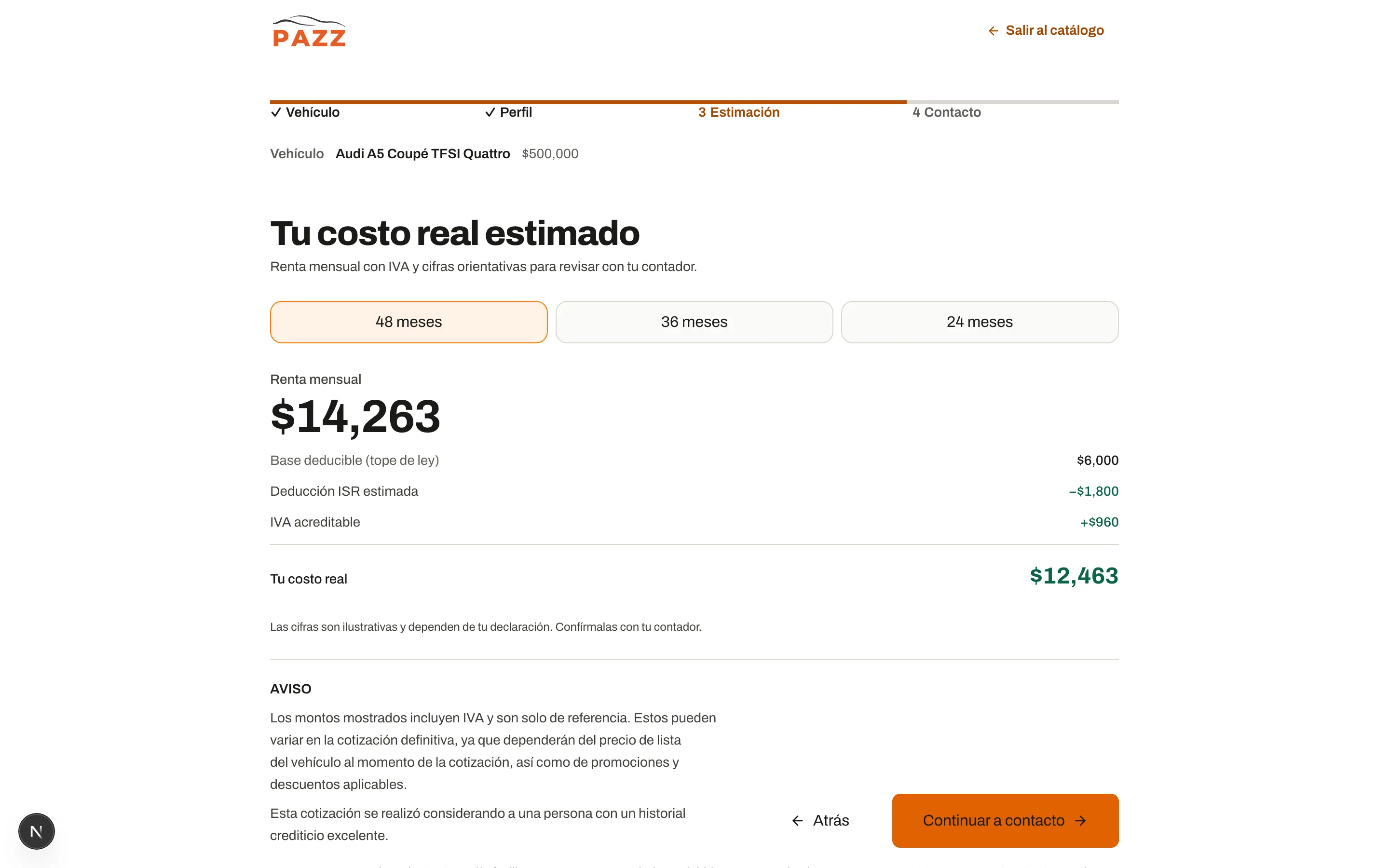
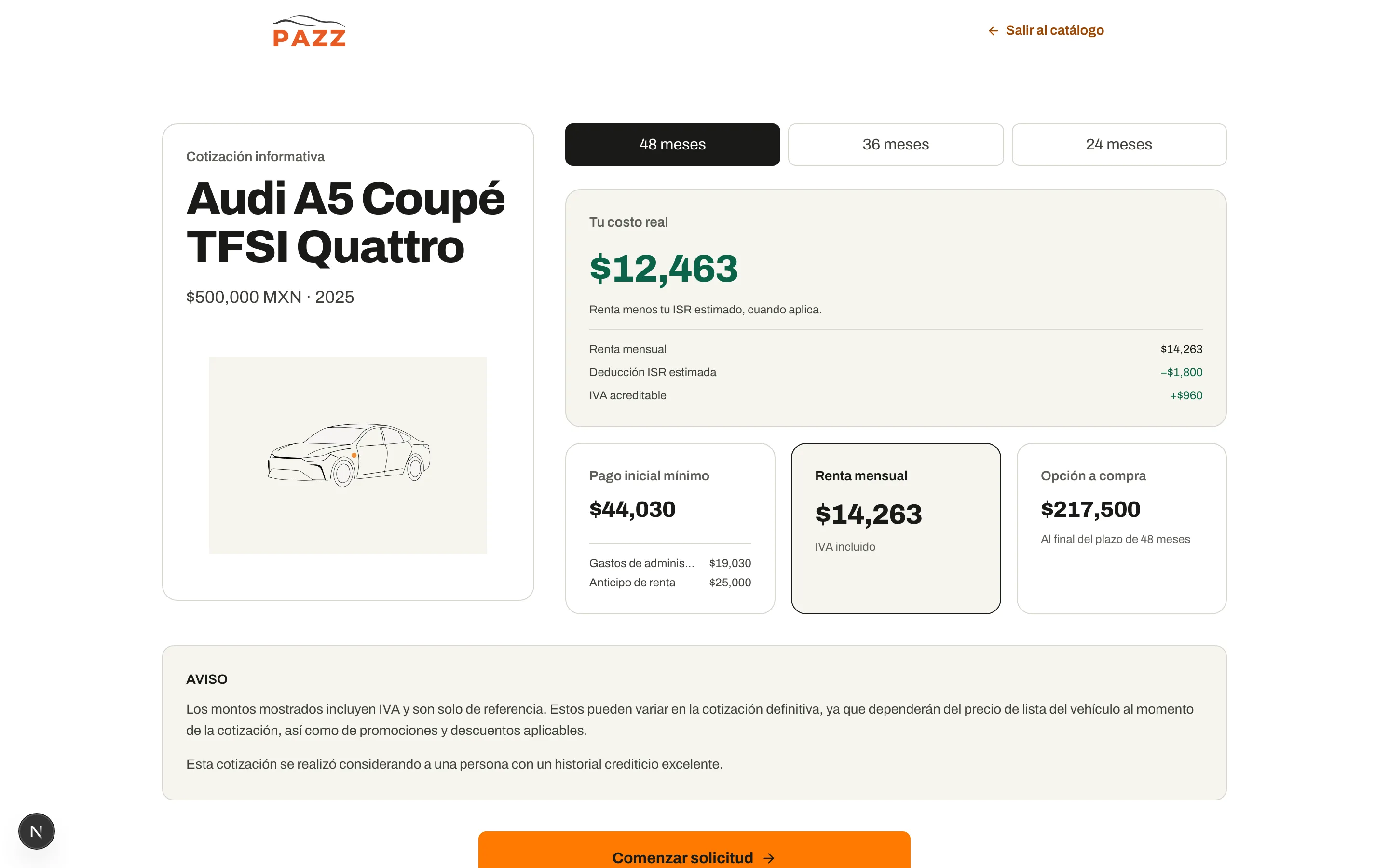
The customer's goal is simple: find a vehicle and understand whether leasing it makes sense. Behind it sit vehicle data, pricing and tax rules, eligibility, documents, partners, outside systems and human review.
Improving one screen would not fix that. Quotes have to apply the same rules everywhere, prequalification has to keep its context, and operators need to see what happened, what failed and what to do next.
What I do
I set technical direction and stay hands-on in the implementation, across product, engineering, operations and outside constraints:
- Product architecture and delivery sequencing
- Customer web and mobile experiences
- Vehicle discovery, quoting and prequalification
- Conversational intake and bounded applied-AI workflows
- Partner, operator, document and contracting handoffs
- Shared domain models, integrations, observability and release gates
Decisions
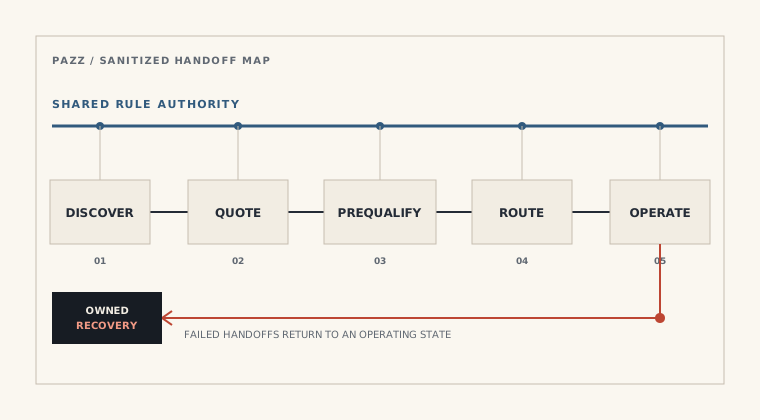
- Keep quote and eligibility rules in one place instead of copying them across customer, partner and operator surfaces.
- Carry context through multi-step journeys, so coming back doesn't restart the process or lose earlier answers.
- Model each handoff as an owned state with explicit inputs, outputs and recovery.
- Keep models inside bounded workflows, never as silent business authority.
- Treat timeouts and partial failures as normal operating states, not afterthoughts.
- Keep source, CI, runtime and production evidence separate, and tie every release claim to the artifact that was actually verified.
Evidence boundary
This covers my ongoing work on the new PAZZ platform, which is in development and not publicly deployed. The current company website is not my work and is not a demo of this platform.
It leaves out customer data, supplier identities, private architecture, incidents, security details and business metrics, and it claims no revenue, conversion or approval outcomes. The screens above come from an isolated development build with synthetic data.
Stack
TypeScript, Next.js, React Native with Expo, PostgreSQL on Supabase, GitHub Actions, Sentry, and applied AI inside bounded workflows.